
Car Brake Drum Inspection & Replacement in Daytona Beach, FL
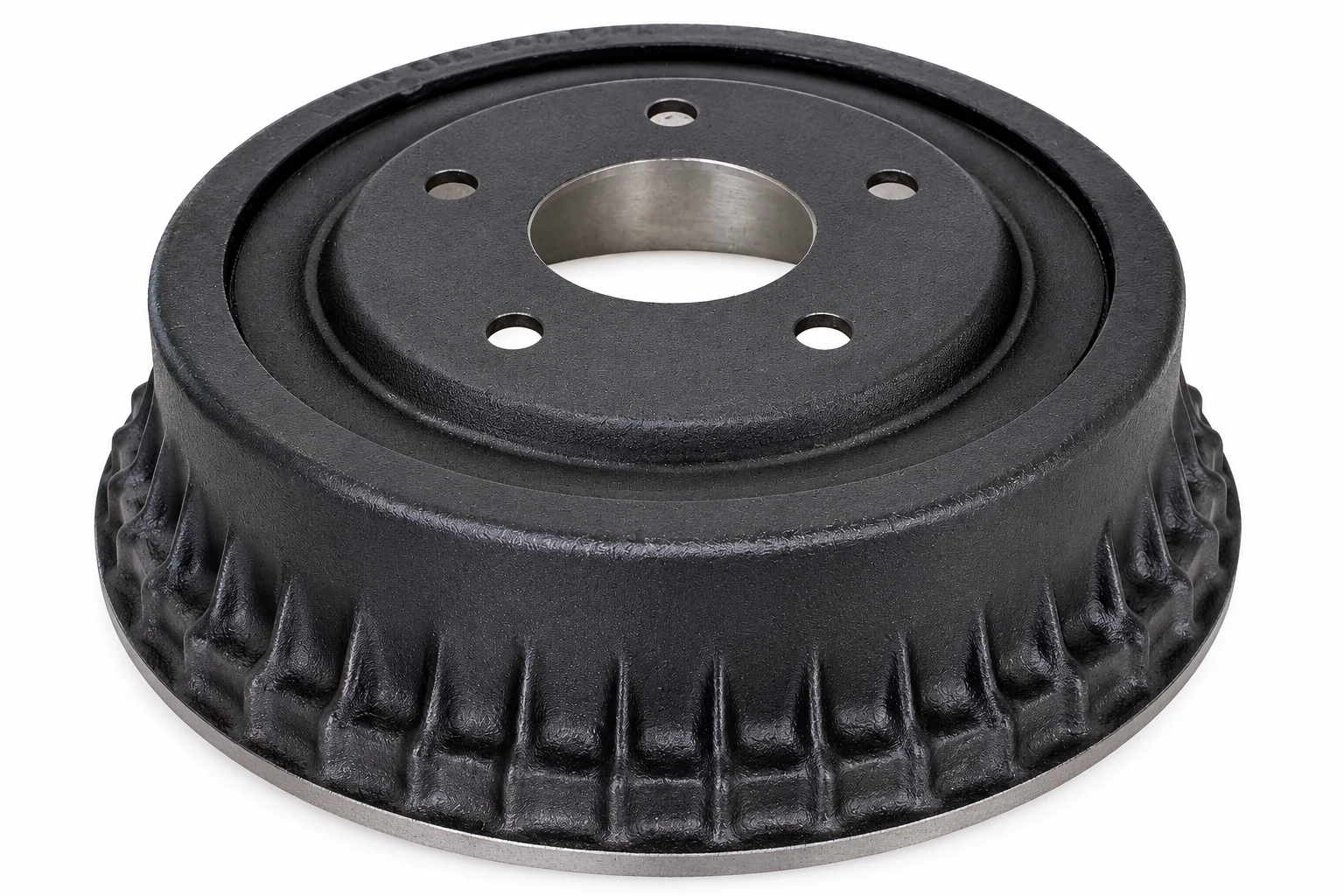
Brake drums provide the internal friction surface used by brake shoes to slow and stop the vehicle. Each time the brakes are applied, the shoes move outward and contact the inside of the drum. Over time, that braking surface can wear, become scored, develop excessive diameter, suffer heat damage, or become unsuitable for continued service.
Jimmy’s Mobile Care provides car brake drum inspection and replacement in Daytona Beach, FL, at your location. We inspect the condition of the drum and the brake components operating inside it before determining whether drum replacement is actually necessary.
Mobile Brake Drum Inspection in Daytona Beach
A brake drum shouldn't be replaced simply because it is old, rusty on the outside, or being removed during a brake shoe service.
What matters is the condition of the internal braking surface and whether the drum remains within the specifications for that vehicle.
Once the drum is removed, we can inspect it for wear and damage and evaluate the brake shoes and related components that operate against it.
Inspecting the Inside Braking Surface
The important friction surface of a brake drum is on the inside.
We inspect that surface for conditions such as:
- Deep scoring or grooves
- Excessive wear
- Heavy rust or corrosion
- Heat damage or discoloration
- Cracks or physical damage
- An irregular braking surface
- A pronounced wear ridge
- Damage caused by severely worn brake shoes
Light markings do not automatically mean a drum needs replacement. The severity of the wear and the drum's dimensions have to be considered.
Measuring Brake Drum Diameter
Brake drums don't remain at their original internal diameter throughout their service life.
As the brake shoes contact the drum, small amounts of material are gradually worn away from the internal braking surface. As material is removed, the drum's inside diameter becomes larger.
Manufacturers establish dimensional limits for the drum. When measurement is necessary, the inside diameter can be checked with the appropriate measuring equipment and compared with the applicable specification.
This gives us objective information about whether the drum remains suitable for service.
Maximum or Discard Diameter
A brake drum has a limit beyond which its internal diameter is no longer acceptable for continued service.
The applicable specification depends on the drum and vehicle.
If measurement shows that a drum has reached or exceeded its allowable limit, it should not simply be put back into service because the surface still looks usable.
This is one reason visual inspection alone isn't always enough to determine drum condition.
Checking for an Out-of-Round Brake Drum
A brake drum needs to rotate with a consistent relationship between its braking surface and the brake shoes.
If the internal surface is no longer sufficiently round, the distance between the shoes and drum can change as the wheel rotates.
Depending on severity, this can contribute to symptoms such as:
- Brake pedal pulsation
- Surging during braking
- Grabbing brakes
- Vibration
- Uneven braking
- Irregular brake shoe wear
When these symptoms are present, we don't automatically assume that the drum is the cause. The drum and surrounding brake assembly need to be inspected to determine where the problem originates.
Scored and Grooved Brake Drums
Brake drums can develop grooves as the shoes wear against their internal surfaces.
Minor surface markings can occur during normal operation. Deep scoring is different.
Severe grooves can develop when brake shoes are driven beyond their usable friction material or when damaged or contaminated components continue operating against the drum.
If the shoe friction material becomes exhausted, metal components can contact the drum and cut deeply into its braking surface.
During inspection, we evaluate the severity of the scoring along with the drum's dimensions and the condition of the shoes.
Installing new brake shoes inside a badly scored drum can prevent the new friction material from making proper contact with the braking surface.
Brake Drum Wear Ridge
As a drum wears, a ridge can sometimes develop near the edge of the braking surface where the shoes do not make the same degree of contact.
A substantial ridge is evidence that the internal surface has worn.
It can also make drum removal more difficult because the brake shoes may catch behind the ridge as the drum is pulled outward.
The presence of a ridge by itself does not establish the complete condition of the drum. We still need to evaluate the braking surface and, where appropriate, the drum's internal diameter.
Heat-Damaged Brake Drums
Drum brakes generate heat whenever they convert vehicle motion into friction.
Brake drums are designed to handle normal braking temperatures, but excessive heat can damage the drum and other components inside the assembly.
Abnormal heat can result from conditions such as:
- Dragging brake shoes
- Improper brake shoe adjustment
- A parking brake that isn't fully releasing
- Seized or damaged brake hardware
- Wheel-cylinder problems
- Severe or prolonged braking
We inspect for evidence of abnormal temperatures, including discoloration, surface changes, cracking, and damage to the shoes or hardware.
If excessive heat has damaged the drum, identifying why the brake overheated is important before installing a replacement.
Otherwise, the same problem can damage the new drum.
Cracked or Physically Damaged Brake Drums
A brake drum is subjected to repeated heat cycles and braking forces.
Visible cracking or significant physical damage requires attention because the drum is a structural part of the braking assembly as well as a friction surface.
A damaged drum shouldn't simply receive new shoes and be returned to service.
When physical damage is found, we inspect the surrounding brake components to determine whether another failure contributed to the condition.
Rust and Corrosion on Brake Drums
Rust on the outside of a cast-iron brake drum is common and doesn't automatically mean the drum requires replacement.
The condition of the internal braking surface is much more important.
A vehicle that sits for an extended period or is exposed to moisture can develop heavier corrosion inside the drum. Severe rust can create pitting, scaling, or an irregular friction surface.
We distinguish ordinary external surface rust from corrosion that actually affects the drum's ability to provide a suitable braking surface.
Brake Shoe Inspection During Brake Drum Service
The brake shoes operate directly against the drum, so we inspect their condition whenever we're evaluating a drum.
We look for:
- Remaining friction material
- Uneven shoe wear
- Glazing
- Cracking or damaged friction material
- Contamination
- Evidence of metal-to-metal contact
- Abnormal contact patterns
The condition of the shoes can help explain what happened to the drum.
For example, a deeply scored drum may be the result of brake shoes that were driven after the friction material was exhausted. A heat-damaged drum may be accompanied by glazed shoes from a brake that remained partially applied.
Replacing the drum without addressing unsuitable brake shoes would leave part of the problem unresolved.
Wheel Cylinder Problems and Brake Drum Damage
The wheel cylinder uses hydraulic pressure to push the brake shoes outward against the drum.
A leaking or sticking wheel cylinder can therefore affect the drum indirectly.
A hydraulic leak can contaminate the brake shoes. Restricted wheel-cylinder movement can interfere with normal shoe operation. Either condition can change how the shoes interact with the drum.
When drum wear or damage appears abnormal, we inspect the wheel cylinder and surrounding brake assembly for evidence of problems that could have contributed to the condition.
Brake Adjuster Problems and Drum Wear
Drum brake systems use an adjustment mechanism to maintain the correct relationship between the brake shoes and the drum as the friction material wears.
If the adjustment is incorrect, the shoes may operate too far from the drum or remain too close to it.
Shoes that drag continuously can generate excessive heat and accelerate wear of both the friction material and the drum.
When replacing a brake drum, we inspect the applicable adjuster mechanism so a seized or improperly operating adjuster doesn't immediately affect the replacement component.
Parking Brake Problems and Brake Drums
On many rear drum brake systems, the parking brake mechanically applies the same shoes used during normal hydraulic braking.
A parking brake cable or lever mechanism that doesn't release completely can leave the shoes contacting the drum while the vehicle is driven.
That continuous friction can create substantial heat and accelerate drum wear.
If a drum shows evidence of overheating or the customer reports a dragging rear brake, parking-brake operation becomes part of the inspection.
Rear Brake Drum Inspection & Replacement
Brake drums on modern passenger vehicles are most commonly found on the rear axle.
We inspect the brake assemblies as a system rather than looking at one drum in isolation.
When appropriate, the drums on both sides can be compared for:
- Internal surface condition
- Wear
- Scoring
- Heat damage
- Corrosion
- Shoe condition
- Hardware condition
If replacement is necessary, brake drums on the same axle are generally replaced as a pair so the left and right rear brakes operate against comparable braking surfaces.
Brake Drum Replacement
Once inspection confirms that a brake drum needs replacement, the repair involves more than exchanging the old drum for a new one.
The exact procedure varies by vehicle, but brake drum replacement can include:
- Removing the existing drum. The drum is removed so its internal surface and the brake assembly can be inspected.
- Evaluating the old drum. We examine the wear pattern, scoring, heat damage, corrosion, and other evidence that can help explain why replacement is necessary.
- Inspecting the brake shoes. The friction material is checked to determine whether it is suitable for use with the replacement drum.
- Checking the wheel cylinder. We inspect for brake-fluid leakage and other visible problems.
- Inspecting the springs and hardware. Components responsible for positioning and retracting the shoes are evaluated.
- Checking the adjuster. The adjustment mechanism is inspected for proper movement and condition.
- Inspecting the mounting area. The new drum must seat correctly on the applicable hub or axle mounting surface.
- Installing the replacement drum. The new drum is fitted correctly to the vehicle.
- Setting brake shoe adjustment as required. Proper shoe-to-drum relationship is established for the brake design.
- Checking brake operation. The brake and parking-brake operation are checked before the vehicle is returned to service.
The goal is not merely to install a new drum. It's to make sure the components operating inside that drum are suitable for continued service.
Brake Drum Mounting Surface Inspection
The drum needs to sit correctly against its mounting surface.
Rust, corrosion, or debris between the drum and hub can interfere with proper seating. Depending on the brake design and severity of the condition, this can contribute to irregular operation.
When installing a replacement brake drum, we inspect the accessible mounting area and prepare it as appropriate before the new component is fitted.
Proper mounting is part of correct brake drum replacement.
Do Brake Drums Need to Be Replaced With Brake Shoes?
Not automatically.
Brake shoes and drums work together, but each component should be evaluated based on its condition.
A vehicle may have worn brake shoes while the drums remain within specification and in suitable condition. In another case, severely worn shoes may have damaged the drums enough that both require replacement.
Likewise, a drum may be excessively worn, damaged, or corroded while the condition of the shoes must be separately evaluated.
We inspect both rather than assuming that replacing one component automatically means replacing the other.
Can a Brake Drum Be Resurfaced?
Whether a brake drum can be resurfaced depends on its condition, dimensions, available specifications, and whether resurfacing is appropriate for that particular component.
Material is removed from the internal braking surface during machining. That increases the drum's inside diameter.
For that reason, a drum must have enough usable material remaining to stay within its allowable dimensional limits after any machining operation.
A drum that is already excessively worn, badly damaged, cracked, or otherwise unsuitable should not be treated as a resurfacing candidate simply to avoid replacement.
For mobile service, when a drum requires machine-shop resurfacing rather than on-site replacement, we'll explain the appropriate repair option.
Brake Drums vs. Brake Rotors
Brake drums and brake rotors perform similar roles as friction surfaces, but they are used in different brake designs.
A brake rotor is a disc. Brake pads are squeezed against its sides by a caliper.
A brake drum is shaped like a drum or shallow cylinder. Brake shoes expand outward against its internal surface.
Many vehicles with drum brakes use them on the rear axle while using disc brakes on the front.
The inspection criteria are also different. Rotors are commonly evaluated in terms of rotor thickness and related disc-brake conditions, while drums are evaluated using their internal braking surface and applicable diameter specifications.
Brake Drums and Shoes Work as a System
The curvature of the brake shoe is designed to operate against the inside of the drum.
For effective braking, the components need to interact correctly.
A severely worn or irregular drum surface can prevent replacement shoes from contacting the braking surface as intended. At the same time, damaged or incorrectly adjusted shoes can damage a good drum.
That's why brake drum service includes inspection of the shoes rather than treating the drum as an isolated metal component.
How Much Does Brake Drum Replacement Cost?
Brake drum replacement cost varies because vehicles use different drum sizes, designs, brake assemblies, and replacement parts.
Factors that can affect the cost include:
- Vehicle year, make, and model
- Brake drum size and design
- Replacement drum quality
- Brake shoe condition
- Wheel-cylinder condition
- Spring and hardware condition
- Adjuster condition
- Parking-brake problems
- Corrosion or difficulty removing the existing drum
- Additional brake damage discovered during inspection
A vehicle that only needs a pair of drums is a different repair from one with worn shoes, leaking wheel cylinders, seized adjusters, or heat-damaged hardware.
Call Jimmy’s Mobile Care at (386) 308-2509 with your vehicle information, and we can discuss your brake drum inspection and replacement needs.
Why Inspect Brake Drums Before Replacing Them?
Not every brake drum needs replacement simply because the brakes are being serviced.
Inspection helps answer the questions that actually determine the repair.
Is the Drum Within Its Allowable Diameter?
When measurement is necessary, the internal diameter can be compared with the applicable specification.
Is the Braking Surface Suitable for Continued Use?
We inspect for severe scoring, grooves, corrosion, heat damage, cracking, and other deterioration.
Is the Drum Contributing to Pulsation or Grabbing?
An irregular or out-of-round braking surface can affect brake operation and needs to be distinguished from other drum-brake problems.
Did Another Component Damage the Drum?
Worn shoes, a dragging parking brake, wheel-cylinder problems, or incorrect adjustment can contribute to drum damage.
Are the Brake Shoes Suitable for Use With the Drum?
The shoes and drum form the friction pair, so both components need to be considered.
This inspection-first approach helps determine whether the drum actually needs replacement and whether another problem needs to be corrected at the same time.
Mobile Brake Drum Replacement in Daytona Beach
Jimmy’s Mobile Care brings brake drum inspection and replacement directly to your Daytona Beach location.
If your vehicle has rear drum brakes, we can inspect the drums and the components operating inside them at your home, workplace, or another suitable service location.
When inspection confirms that replacement is necessary and the repair can be safely performed on-site, we can replace worn or damaged brake drums without a traditional repair-shop visit.
Schedule Brake Drum Inspection & Replacement in Daytona Beach
If you're experiencing rear brake noise, grabbing, pulsation, grinding, poor parking-brake operation, or suspect worn brake drums, have the brake assembly inspected before replacing parts.
Jimmy’s Mobile Care can evaluate the drum's braking surface, wear, applicable dimensions, brake shoes, wheel cylinders, adjusters, and directly related components to determine what your vehicle actually needs.
Call Jimmy’s Mobile Care at (386) 308-2509 to schedule car brake drum inspection and replacement in Daytona Beach, FL. Call today and we'll come to your location.