
Car Brake Master Cylinder Diagnostics & Replacement in Daytona Beach, FL
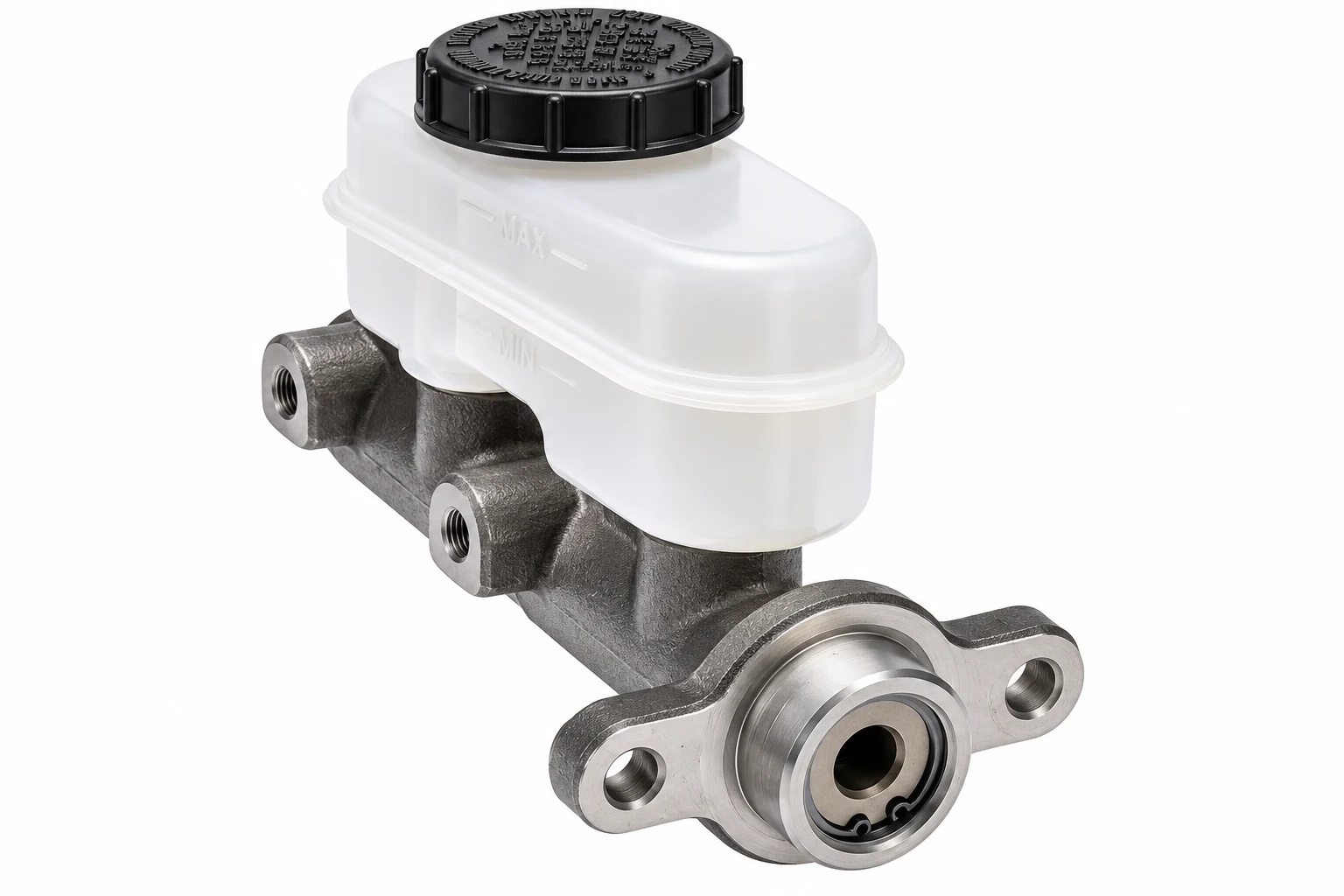
The brake master cylinder converts brake pedal force into hydraulic pressure that operates the brakes at the wheels. When it begins to fail, you may experience a sinking brake pedal, inconsistent pedal pressure, brake-fluid leakage, or difficulty maintaining hydraulic pressure. Because several brake-system problems can create similar symptoms, the master cylinder should be properly diagnosed before it is replaced.
Jimmy’s Mobile Care provides car brake master cylinder diagnostics and replacement in Daytona Beach, FL, at your location. We evaluate the hydraulic brake system to determine whether the master cylinder is actually causing the problem before recommending replacement.
Mobile Brake Master Cylinder Diagnostics in Daytona Beach
A soft or sinking brake pedal doesn't automatically mean the master cylinder is bad.
Air in the hydraulic system, an external brake-fluid leak, a failing wheel cylinder, caliper leakage, flexible brake hose problems, or other hydraulic faults can produce symptoms that resemble master-cylinder failure.
The purpose of diagnosis is to determine whether the master cylinder is failing internally or externally—or whether the problem is somewhere else in the braking system.
How a Brake Master Cylinder Works
When you press the brake pedal, mechanical force is transferred to the master cylinder. Pistons inside the master-cylinder bore move and pressurize the brake fluid.
That hydraulic pressure travels through the brake lines and hoses to the calipers or wheel cylinders at the wheels.
Modern passenger vehicles generally use a divided hydraulic system so that a single hydraulic failure does not necessarily eliminate all braking capability.
The master cylinder must:
- Build hydraulic pressure
- Maintain that pressure during braking
- Release pressure when the brake pedal is released
- Keep separate hydraulic circuits functioning correctly
- Maintain an adequate brake-fluid supply through the reservoir
A failure inside the master cylinder can interfere with one or more of these functions.
Signs of a Bad Brake Master Cylinder
Master-cylinder problems can appear in several ways.
Symptoms that may justify hydraulic brake diagnosis include:
- Brake pedal slowly sinking while pressure is applied
- Soft or spongy brake pedal
- Inconsistent brake pedal feel
- Excessive pedal travel
- Difficulty maintaining brake pressure
- Brake-fluid loss
- Visible fluid around the master cylinder
- Brake warning light
- Reduced braking response
- Pedal behavior that changes between brake applications
These symptoms do not prove that the master cylinder has failed.
For example, a spongy pedal may be caused by air in the brake system, while falling brake-fluid level may indicate a leak at a caliper, wheel cylinder, hose, line, or another hydraulic component.
We diagnose the hydraulic system before selecting the replacement part.
Diagnosing a Sinking Brake Pedal
One of the classic complaints associated with master-cylinder failure is a brake pedal that gradually moves toward the floor while steady pressure is maintained.
This can occur when hydraulic pressure bypasses the internal sealing surfaces inside the master cylinder rather than remaining trapped in the brake circuit.
However, a sinking pedal needs to be evaluated carefully.
An external hydraulic leak can also allow the pedal to move as fluid escapes from the system.
The first distinction is therefore important:
Is hydraulic pressure being lost internally, or is brake fluid physically leaving the system?
That question helps determine whether the master cylinder itself is responsible.
Internal Brake Master Cylinder Bypass
A master cylinder does not have to leak brake fluid onto the ground to fail.
The internal piston seals must maintain hydraulic pressure as the pedal is applied. If those sealing surfaces deteriorate, brake fluid can bypass internally from one area of the cylinder to another.
Because the fluid remains inside the hydraulic system, there may be no obvious external leak.
The driver may instead notice that the pedal initially feels firm but slowly sinks while constant pressure is maintained.
This is one reason master-cylinder diagnosis can't rely only on looking for visible brake-fluid leakage.
External Master Cylinder Leaks
A master cylinder can also leak externally.
Depending on the design and failure, brake fluid may be found around:
- The master-cylinder body
- Hydraulic line connections
- The reservoir or reservoir seals
- The rear of the master cylinder
- The connection between the master cylinder and brake booster
The source needs to be identified carefully because fluid in the general area does not automatically establish that the master-cylinder bore or internal seals are responsible.
Connections, reservoir seals, and nearby hydraulic components also need to be considered.
Brake Fluid Between the Master Cylinder and Brake Booster
Many vehicles with power brakes have the master cylinder mounted directly to the brake booster.
A rear master-cylinder seal can leak brake fluid into the area between these components.
That leak may not immediately create an obvious puddle underneath the vehicle.
When master-cylinder leakage is suspected, the relationship between the master cylinder and booster is therefore important.
Evidence of brake fluid at the rear of the master cylinder can indicate a hydraulic failure requiring replacement.
If fluid has entered or affected the brake booster, the condition of the booster may also need to be evaluated.
Brake Fluid Reservoir Inspection
The brake-fluid reservoir supplies fluid to the master cylinder and provides useful diagnostic information.
We inspect the fluid level and reservoir area for signs of leakage or other abnormalities.
A low reservoir means the reason for the fluid loss needs to be determined.
Brake fluid can decrease somewhat as disc brake pads wear and caliper pistons remain farther outward, but a significant or unexplained loss of fluid can indicate a hydraulic leak.
Simply adding brake fluid without finding the reason the level dropped can hide an important brake-system problem.
Brake Fluid Condition
Brake fluid condition can also provide information about the hydraulic system.
Brake fluid is hygroscopic, meaning it absorbs moisture over time. Contamination, incorrect fluid, or severely deteriorated fluid can affect hydraulic components.
When servicing a master cylinder, the correct brake-fluid specification for the vehicle matters.
Different vehicles may specify different brake-fluid types, and incompatible fluid should not be introduced into the system.
We use the appropriate fluid for the vehicle when hydraulic service requires it.
Soft Brake Pedal vs. Bad Master Cylinder
A soft pedal and a sinking pedal are not necessarily the same diagnostic condition.
A soft or spongy pedal commonly suggests compressibility somewhere in the hydraulic system, often from trapped air, although other problems can contribute.
A pedal that gradually sinks under steady pressure can indicate hydraulic pressure loss, including possible internal master-cylinder bypass.
The distinction isn't absolute enough to diagnose a vehicle from pedal feel alone, but it helps direct the inspection and testing.
Before replacing the master cylinder, we consider the complete hydraulic system.
Checking for External Brake Fluid Leaks
Before blaming the master cylinder for pressure loss, the rest of the hydraulic system should be considered.
Potential leak locations can include:
- Brake calipers
- Wheel cylinders
- Flexible brake hoses
- Steel brake lines
- Hydraulic fittings
- ABS hydraulic components
- Master-cylinder connections
- The master cylinder itself
If brake fluid is escaping elsewhere, replacing the master cylinder won't correct the loss of hydraulic pressure.
Visible leakage needs to be located and repaired.
Master Cylinder vs. Wheel Cylinder Problems
The names sound similar, but the components perform different jobs.
The master cylinder generates hydraulic pressure for the braking system.
A wheel cylinder is used in many drum-brake systems and converts that hydraulic pressure into movement of the brake shoes.
A leaking rear wheel cylinder can lower the brake-fluid level and create hydraulic problems that might initially be blamed on the master cylinder.
When a vehicle has rear drum brakes, wheel-cylinder leakage is therefore one of the conditions that may need to be ruled out during hydraulic brake diagnosis.
Master Cylinder vs. Brake Caliper Problems
Disc brake calipers also contain hydraulic pistons and seals.
A leaking caliper can cause brake-fluid loss, while other caliper problems can affect brake operation at an individual wheel.
Master-cylinder problems tend to affect hydraulic pressure generation or retention farther upstream in the system.
Looking at the pattern of symptoms and checking for leakage at the wheels helps distinguish a master-cylinder problem from a wheel-end hydraulic failure.
Master Cylinder vs. Brake Booster Problems
The brake master cylinder and brake booster are mounted together on many vehicles, but they perform very different functions.
The master cylinder is hydraulic. It converts pedal movement into brake-fluid pressure.
The brake booster provides power assistance so the driver doesn't need to apply as much physical force to the pedal.
A booster problem often produces a pedal that is unusually hard to press or a loss of power assist.
A master-cylinder problem is more likely to involve hydraulic pressure, fluid leakage, excessive travel, or a sinking pedal.
Because the components are physically connected, distinguishing their functions is important before replacing either one.
Brake Master Cylinder Hydraulic Circuit Diagnosis
Modern master cylinders generally operate more than one hydraulic circuit.
This design provides an important safety function, but it also means a hydraulic failure can produce symptoms that vary depending on which portion of the system is affected.
When diagnosing master-cylinder operation, we consider whether the symptoms involve the overall hydraulic system or appear isolated to one wheel or brake circuit.
A problem affecting one wheel alone, for example, may point toward a wheel-end component rather than the master cylinder.
The diagnostic pattern matters.
ABS and Master Cylinder Diagnosis
Vehicles equipped with an Anti-lock Braking System add an ABS hydraulic control unit between portions of the master-cylinder hydraulic system and the wheel brakes.
That creates additional diagnostic considerations.
Air trapped in an ABS hydraulic unit, an ABS hydraulic fault, or certain service procedures can affect pedal feel.
This is another reason a soft brake pedal after hydraulic work should not automatically result in master-cylinder replacement.
Depending on the vehicle and repair history, the brake system may require a specific bleeding procedure or scan-tool-controlled ABS bleeding operation.
We consider the vehicle's brake-system design when diagnosing the complaint.
Diagnosing a Master Cylinder After Recent Brake Work
If brake pedal problems began immediately after caliper, wheel cylinder, hose, line, or other hydraulic brake work, that history matters.
Opening the hydraulic system can introduce air.
If the system wasn't completely bled afterward, the driver may experience excessive pedal travel or a soft pedal even though the master cylinder is functioning normally.
Likewise, allowing the reservoir to run empty during a repair can introduce air farther into the hydraulic system.
We take recent repair history into account before condemning the master cylinder.
Brake Master Cylinder Replacement
Once diagnosis confirms that the master cylinder has failed, replacement requires opening the vehicle's hydraulic brake system.
The exact procedure varies by vehicle, but master-cylinder replacement can include:
- Confirming the hydraulic fault. We determine that the symptoms and testing support master-cylinder replacement.
- Inspecting for other hydraulic leaks. Calipers, wheel cylinders, hoses, lines, and related components are considered as appropriate.
- Checking the brake-fluid reservoir and fluid condition. Fluid level and visible condition are evaluated before disassembly.
- Disconnecting the hydraulic brake lines. Brake lines are carefully separated from the master cylinder.
- Removing the failed master cylinder. The unit is detached from the brake booster, firewall, or applicable mounting assembly.
- Preparing the replacement master cylinder. The new component is prepared according to the required service procedure.
- Installing the replacement unit. The master cylinder is correctly mounted and the hydraulic connections are restored.
- Filling with the correct brake fluid. The proper fluid specification is used for the vehicle.
- Bleeding the hydraulic system. Air introduced during the repair must be removed.
- Checking for hydraulic leaks. Connections and the replacement component are inspected under appropriate conditions.
- Verifying brake pedal operation. Pedal feel and hydraulic operation are checked before the vehicle is returned to service.
Because the master cylinder is central to the vehicle's braking hydraulics, correct bleeding and verification are essential parts of the replacement.
Preparing and Bleeding a Replacement Master Cylinder
A replacement master cylinder contains air before it is filled and placed into normal hydraulic operation.
That air needs to be removed.
Depending on the component and service procedure, the master cylinder may be pre-bled or bench-bled before or during installation. The objective is to remove trapped air from the cylinder before completing the bleeding of the vehicle's brake circuits.
Skipping proper master-cylinder bleeding can leave air in the system and result in an unsatisfactory brake pedal even though a new component has been installed.
Bleeding the Brake System After Master Cylinder Replacement
Master-cylinder replacement opens the hydraulic system and can introduce air into the brake circuits.
Air is compressible; brake fluid effectively is not under normal braking conditions.
If air remains trapped in the system, pedal movement can compress that air instead of transferring the expected hydraulic force to the wheel brakes.
After master-cylinder replacement, the brake system therefore needs to be bled according to the requirements of the vehicle.
Depending on the system, this may involve conventional bleeding procedures, a specific wheel sequence, or additional ABS procedures.
Why a New Master Cylinder Can Still Have a Soft Pedal
Installing a new master cylinder does not guarantee a firm brake pedal if another problem remains.
A soft pedal after replacement can result from:
- Air remaining in the master cylinder
- Air trapped in the brake lines
- Air inside an ABS hydraulic unit
- An unresolved external leak
- Incorrect bleeding procedure
- A problem at another hydraulic component
If pedal feel isn't correct after replacement, the solution is not to assume immediately that the new master cylinder is defective.
The hydraulic system needs to be evaluated for remaining air or another fault.
Brake Line Connections at the Master Cylinder
Brake lines connect directly to the master cylinder and carry hydraulic pressure to the rest of the braking system.
These connections need to seal properly after replacement.
Corroded fittings, damaged threads, distorted line ends, or other connection problems can complicate service and create leaks.
We inspect the connections during replacement and verify that the hydraulic system remains dry after reassembly.
A replacement master cylinder can't maintain pressure if fluid is escaping from one of its connections.
When Does a Brake Master Cylinder Need Replacement?
Master cylinders don't have a universal replacement mileage.
Replacement is appropriate when diagnosis identifies a failure that makes the component unable to perform its hydraulic function correctly.
Reasons can include:
- Confirmed internal hydraulic bypass
- External brake-fluid leakage from the master cylinder
- Damaged or deteriorated internal components
- Inability to maintain hydraulic pressure
- Physical damage
- A master-cylinder fault confirmed after other hydraulic causes have been ruled out
We don't recommend replacement based solely on vehicle age or a soft pedal.
The symptoms and hydraulic diagnosis should support the repair.
Can a Brake Master Cylinder Be Rebuilt?
Some master cylinders can technically be rebuilt, and rebuild kits exist for certain applications.
Whether rebuilding is appropriate depends on the master-cylinder design, bore condition, parts availability, vehicle application, and the type of failure.
For most routine modern passenger-vehicle repairs, installing a quality replacement master cylinder is generally more practical than rebuilding the original unit in the field.
Older, unusual, specialty, or restoration applications may be different and should be evaluated individually.
How Much Does Brake Master Cylinder Replacement Cost?
Brake master cylinder replacement cost varies depending on the vehicle and the hydraulic system.
Factors affecting the repair price can include:
- Vehicle year, make, and model
- Master-cylinder design
- Replacement part cost
- Accessibility
- Brake-fluid requirements
- Bleeding procedure
- ABS bleeding requirements
- Condition of hydraulic line fittings
- Additional leaks or hydraulic problems found during diagnosis
A straightforward master-cylinder replacement on one vehicle can differ considerably from a vehicle requiring specialized ABS bleeding or additional hydraulic repairs.
Call Jimmy’s Mobile Care at (386) 308-2509 with your vehicle information and the brake symptoms you're experiencing. We can discuss the diagnostic visit and the repair your vehicle may require.
Why Diagnose the Master Cylinder Before Replacing It?
Master-cylinder symptoms overlap with several other brake-system problems.
Diagnosis helps answer the questions that actually determine the repair.
Is the Master Cylinder Bypassing Internally?
A pedal that sinks under steady pressure can indicate internal hydraulic bypass even when there is no visible fluid leak.
Is Brake Fluid Leaking Somewhere Else?
Calipers, wheel cylinders, hoses, brake lines, and fittings can all cause hydraulic fluid loss.
Is There Air in the Brake System?
Air can create a soft or spongy pedal and may be present after recent hydraulic brake work.
Is the Problem Actually the Brake Booster?
Loss of power assist can produce a hard pedal but does not necessarily indicate a hydraulic master-cylinder failure.
Is the ABS Hydraulic System Involved?
Some vehicles require specialized procedures to remove trapped air or diagnose hydraulic problems involving the ABS unit.
Is the Master Cylinder Actually Leaking?
We inspect the master cylinder, reservoir, connections, and rear mounting area for evidence of external fluid loss.
Answering these questions helps avoid replacing a master cylinder when another hydraulic component is actually responsible.
Mobile Brake Master Cylinder Replacement in Daytona Beach
Jimmy’s Mobile Care brings brake master cylinder diagnostics and replacement directly to your Daytona Beach location.
If you're experiencing a sinking brake pedal, excessive pedal travel, inconsistent hydraulic pressure, or suspected master-cylinder leakage, we can inspect the system at your home, workplace, or another suitable location.
When diagnosis confirms that the master cylinder has failed and the repair can be safely completed on-site, we can replace the component, restore the hydraulic connections, bleed the brake system as required, and verify brake operation without a traditional repair-shop visit.
Schedule Brake Master Cylinder Diagnostics & Replacement in Daytona Beach
A soft or sinking brake pedal should be diagnosed rather than treated as automatic proof of master-cylinder failure.
Jimmy’s Mobile Care evaluates the master cylinder and directly related hydraulic brake components to determine whether pressure is being lost internally, fluid is leaking externally, air is trapped in the system, or another brake component is causing the problem.
Call Jimmy’s Mobile Care at (386) 308-2509 to schedule car brake master cylinder diagnostics and replacement in Daytona Beach, FL. Call today and we'll come to your location.