
Car Radiator Hose Inspection & Replacement in Daytona Beach, FL
Radiator hoses carry engine coolant between the engine, radiator, and other parts of the cooling system. They operate under heat and pressure every time you drive, and over time the hose material can harden, soften, crack, swell, leak, or become internally damaged.
Jimmy’s Mobile Care provides car radiator hose inspection and replacement in Daytona Beach, FL. We inspect radiator and related coolant hoses for leaks, deterioration, damaged connections, abnormal swelling, collapse, and other signs of failure before determining what needs replacement.
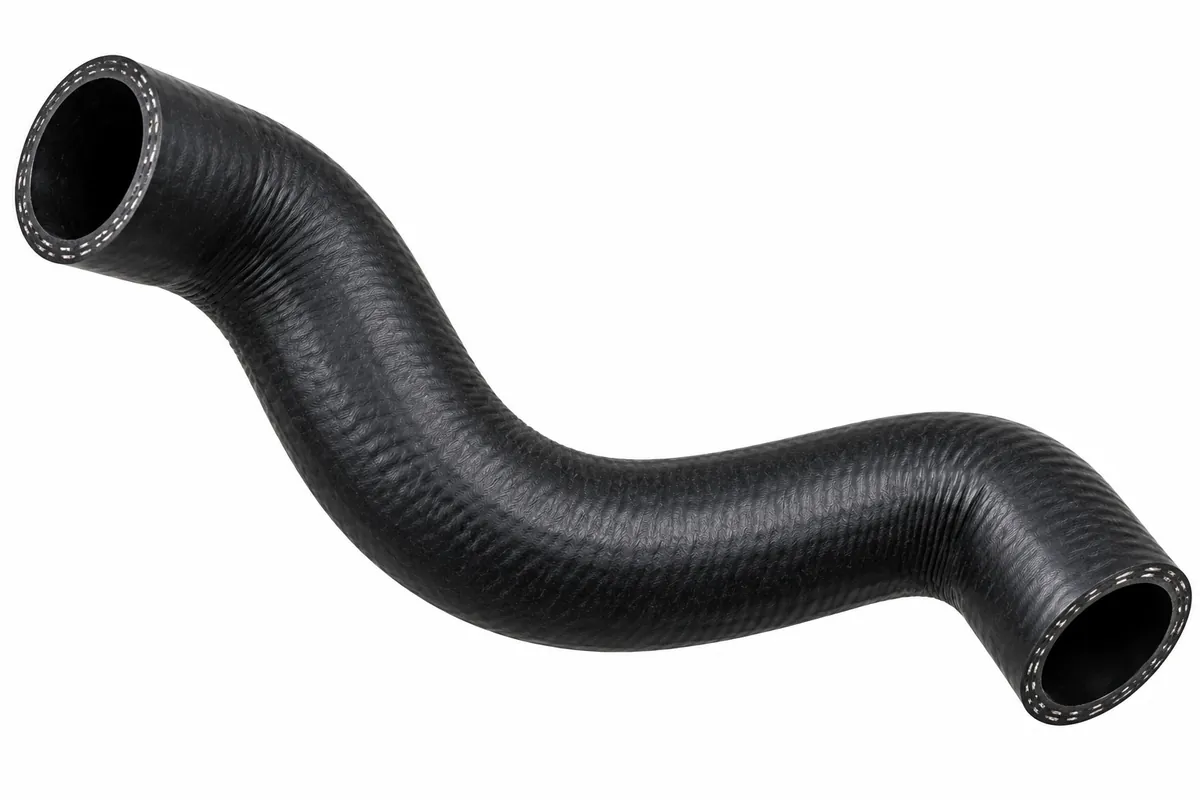
Mobile Radiator Hose Inspection in Daytona Beach
A cooling-system hose should be inspected as an entire assembly rather than judged only by whether coolant is visibly dripping.
Depending on the vehicle and symptoms, we check for:
- Coolant leakage
- Cracks
- Swelling
- Bulges
- Soft spots
- Hardened hose material
- Abrasion
- Chafing
- Heat damage
- Oil contamination
- Coolant residue
- Damaged clamps
- Damaged quick-connect fittings
- Loose connections
- Hose collapse
- Kinks
- Improper routing
When necessary, cooling-system pressure testing can help expose a hose or connection that leaks only when the system is pressurized.
What Does a Radiator Hose Do?
Radiator hoses provide flexible connections between components in the engine cooling system.
The two hoses most commonly associated with the radiator are the:
- Upper radiator hose
- Lower radiator hose
Depending on vehicle design, the cooling system can also contain additional coolant hoses connecting the:
- Coolant reservoir
- Thermostat housing
- Water pump
- Heater circuit
- Coolant outlet
- Bypass circuit
- Other cooling-system components
Flexible hoses are necessary because the engine moves and vibrates while the radiator and other components may be mounted to the vehicle body.
Radiator Hose vs. Coolant Hose
The terms are related but are not always identical.
A radiator hose generally refers specifically to a hose connecting the radiator to the engine cooling circuit.
A coolant hose is a broader term that can include:
- Radiator hoses
- Coolant reservoir hoses
- Bypass hoses
- Heater hoses
- Other flexible cooling-system connections
When inspecting a coolant leak, we identify the actual hose involved rather than assuming every flexible coolant hose is an upper or lower radiator hose.
Upper Radiator Hose
The upper radiator hose commonly carries hot coolant from the engine toward the radiator after the thermostat opens.
Because it is exposed to hot coolant and engine-compartment temperatures, it can eventually develop:
- Cracks
- Hardening
- Swelling
- Leaks
- Connection problems
The hose should also remain properly routed and supported so it does not contact belts, pulleys, fans, or excessively hot components.
Lower Radiator Hose
The lower radiator hose commonly carries cooled coolant from the radiator back toward the engine or water pump.
Depending on vehicle design, a lower hose can have:
- Molded bends
- Multiple connections
- Branches
- Internal reinforcement
The lower hose can experience some failure modes that are less obvious than an external leak, including collapse under certain operating conditions.
Signs of a Bad Radiator Hose
Possible symptoms include:
- Coolant under the vehicle
- Repeatedly low coolant
- Engine overheating
- Visible hose crack
- Swollen hose
- Bulging hose
- Soft or spongy hose
- Hard or brittle hose
- Coolant around a hose connection
- Steam from the engine compartment
- Sweet coolant odor
- Dried coolant residue
- Collapsed hose
- Split hose
- Sudden coolant loss
These symptoms should be traced to their actual source before a hose is replaced.
Leaking Radiator Hose
A radiator hose can leak from:
- Hose body
- End of the hose
- Clamp area
- Quick-connect fitting
- Molded junction
- Damaged plastic connector
The location matters.
Coolant found around a radiator hose does not automatically mean the rubber hose itself has failed.
The leak may originate from the component to which the hose attaches.
Radiator Hose Leak at the Radiator
If coolant is present where a hose attaches to the radiator, possible causes include:
- Loose or damaged clamp
- Deteriorated hose end
- Damaged seal
- Cracked radiator neck
- Cracked radiator tank
- Damaged quick-connect fitting
The connection should be inspected carefully before deciding whether the hose or radiator needs replacement.
Radiator Hose Leak at the Engine
The engine-side hose connection can also leak.
Possible sources include:
- Hose deterioration
- Clamp
- Coolant outlet
- Thermostat housing
- Water-pump connection
- Plastic fitting
A leaking plastic coolant outlet can sometimes make a good hose appear to be the problem.
Identifying the exact source prevents replacing the wrong component.
Cracked Radiator Hose
Rubber deteriorates after repeated exposure to:
- Heat
- Coolant
- Pressure
- Engine movement
- Age
Cracking can develop on the outside of the hose, particularly near bends and connections.
Small surface marks should be evaluated in context, but deep cracking or exposed reinforcement indicates meaningful deterioration.
Swollen Radiator Hose
A hose that becomes visibly swollen or enlarged may be deteriorating internally.
Swelling can indicate that the hose structure has weakened.
A swollen hose deserves attention because the cooling system normally operates under pressure, and weakened hose material can eventually split.
The cause should also be considered, particularly if abnormal cooling-system pressure is suspected.
Bulging Radiator Hose
A localized bulge is especially concerning because it can indicate that the hose reinforcement has weakened in one area.
The outer rubber may still be intact while the internal structure is failing.
A significant bulge is different from the normal molded shape of the hose and generally warrants replacement.
Soft Radiator Hose
A deteriorated hose can become unusually soft or spongy.
This can occur from:
- Age
- Internal deterioration
- Oil contamination
- Chemical damage
The hose should be compared along its length because some sections naturally feel different due to construction and shape.
An abnormally soft area can indicate weakened hose material.
Hard Radiator Hose
Age and repeated heat cycling can also make a hose hard and brittle.
A hardened hose may:
- Lose flexibility
- Crack near connections
- Seal poorly
- Become more vulnerable during removal
A hose does not need to be visibly leaking before age-related hardening becomes relevant.
Radiator Hose Collapse
A hose can sometimes collapse inward rather than leak outward.
This is especially important on the suction side of the cooling circuit.
A collapsed hose can restrict coolant flow and contribute to overheating.
Possible causes include:
- Internally weakened hose
- Excessive suction
- Incorrect hose construction
- Missing internal reinforcement where required
- Cooling-system pressure or recovery problems
The hose should be inspected under the conditions in which the problem occurs.
Lower Radiator Hose Collapse
Lower radiator hoses deserve particular attention when investigating a suspected collapse.
Some designs use internal reinforcement to help prevent the hose from being pulled inward by coolant-flow conditions.
A hose that looks normal with the engine off may deform while the engine is operating.
This can create an intermittent coolant-flow restriction.
Radiator Hose Internal Damage
Not every hose failure is visible externally.
A hose can deteriorate internally while the outside still appears acceptable.
Internal damage can contribute to:
- Restricted coolant flow
- Weak hose structure
- Collapse
- Separation of hose layers
Physical inspection therefore includes more than looking for an obvious external crack.
Oil-Contaminated Radiator Hose
Engine oil and other petroleum-based fluids can damage certain cooling-system hose materials.
A hose exposed to an oil leak may become:
- Swollen
- Soft
- Spongy
- Deteriorated
If contamination caused the hose failure, the source of the oil should also be identified.
Replacing the hose without correcting the leak can damage the new hose.
Radiator Hose Abrasion
A hose rubbing against another component can gradually wear through its outer surface.
Possible contact points include:
- Brackets
- Engine covers
- Metal edges
- Fan shrouds
- Other hoses
- Wiring retainers
Engine movement can make seemingly minor contact much more damaging over time.
If abrasion caused the failure, hose routing should be corrected during replacement.
Radiator Hose Chafing
Chafing is particularly important where a hose passes through a tight engine compartment.
Evidence can include:
- Polished rubber
- Flattened area
- Missing outer material
- Exposed reinforcement
Replacing a chafed hose without correcting its contact point can cause the replacement hose to fail in the same location.
Heat-Damaged Coolant Hose
Cooling-system hoses are designed for high temperatures, but excessive external heat can still cause damage.
A hose routed too close to an exhaust component or other abnormal heat source may develop:
- Hardening
- Cracking
- Discoloration
- Surface deterioration
Factory routing and heat protection should be preserved when the hose is replaced.
Radiator Hose Clamp Problems
The hose and clamp work together to maintain a sealed connection.
Depending on the vehicle, the connection may use:
- Spring clamp
- Constant-tension clamp
- Screw-type clamp
- Specialized factory clamp
A damaged or improperly positioned clamp can cause leakage even when the hose itself is good.
Spring-Style Radiator Hose Clamps
Spring clamps are designed to maintain tension as the hose and fitting expand and contract with temperature.
Problems can occur if the clamp is:
- Damaged
- Corroded
- Incorrectly positioned
- Weakened
The clamp should sit in the proper location on the hose connection.
Can You Just Tighten a Leaking Radiator Hose Clamp?
Sometimes a loose serviceable clamp can be corrected, but simply tightening every leaking connection is not always the answer.
Excessive clamp force can damage:
- Plastic radiator neck
- Plastic thermostat housing
- Coolant outlet
- Hose material
If the hose or fitting is damaged, additional tightening may make the problem worse.
The connection needs to be inspected first.
Quick-Connect Coolant Hoses
Many newer vehicles use molded plastic quick-connect fittings rather than traditional hose-and-clamp connections.
These assemblies can include:
- Internal O-rings
- Retaining clips
- Plastic locking tabs
- Molded hose ends
A leak at a quick connector can result from the seal, connector, retaining mechanism, or adjoining fitting rather than the flexible hose material.
Broken Plastic Radiator Hose Fittings
Plastic cooling-system fittings can become brittle with age and heat.
They may:
- Crack
- Split
- Break during removal
- Leak around the sealing surface
A leaking connection should therefore be examined before force is applied to an older plastic fitting.
Coolant Hose O-Ring Leaks
Quick-connect coolant hoses often rely on an internal O-ring.
A worn or damaged O-ring can allow coolant to escape around the fitting.
Possible causes include:
- Age
- Hardening
- Pinching
- Dirt on the sealing surface
- Damaged connector
Depending on the design, the seal may be serviceable separately or the hose assembly may require replacement.
Coolant Reservoir Hose
Some vehicles use flexible hoses between the radiator or engine and the coolant reservoir or expansion tank.
These hoses can develop:
- Cracks
- Leaks
- Brittle plastic fittings
- Damaged connections
A reservoir hose is part of the coolant circuit but is not necessarily the same as the main upper or lower radiator hose.
Coolant Bypass Hose
A bypass hose allows coolant to circulate through a specific path when required by the engine's cooling-system design.
These hoses are sometimes:
- Short
- Molded
- Difficult to see
- Located behind other engine components
A bypass-hose leak can produce coolant loss even when both main radiator hoses remain dry.
Molded Radiator Hoses
Modern radiator hoses are commonly molded into specific shapes.
The bends are designed to:
- Clear engine components
- Avoid kinking
- Maintain proper routing
- Fit exact connection angles
A generic straight hose should not be forced into an application requiring a molded hose.
Flexible Universal Coolant Hose
Universal flexible coolant hoses exist for certain applications, but they are not automatically appropriate replacements for every molded factory hose.
The replacement must have the correct:
- Inside diameter
- Temperature rating
- Pressure rating
- Coolant compatibility
- Bend capability
- Routing clearance
A hose that kinks or rubs another component is not an acceptable substitute simply because it reaches both fittings.
Stainless or Metal-Style Radiator Hose Kits
Aftermarket cooling-system hose kits may use metal or stainless-style tubing combined with flexible connectors.
These are different from conventional molded rubber radiator hoses.
For a standard street vehicle, the priority is correct:
- Fit
- Coolant compatibility
- Pressure capability
- Routing
- Reliable sealing
Appearance alone should not determine the replacement hose.
Radiator Hose Pressure Testing
If the source of coolant loss is not obvious, cooling-system pressure testing can help.
Pressure can reveal leakage at:
- Hose body
- Clamp
- Quick connector
- Radiator neck
- Thermostat housing
- Coolant outlet
- Other cooling-system connections
A hose that remains dry when the engine is cold can begin leaking once system pressure increases.
Why a Radiator Hose May Leak Only When Hot
Heat affects both the hose and the components attached to it.
As the engine warms:
- Coolant expands
- System pressure rises
- Rubber changes temperature
- Plastic and metal fittings expand
A marginal connection may therefore leak only after the vehicle reaches operating temperature.
Dried coolant residue can provide evidence even after the active leak has stopped.
Dried Coolant Around a Hose
A slow coolant leak may evaporate before forming a puddle.
Depending on the coolant, a leak can leave:
- White residue
- Colored deposits
- Crust around a fitting
- Staining
Residue around a hose connection is useful evidence, but the exact source still needs to be identified.
Coolant can travel along a hose before dripping from a different location.
Radiator Hose and Engine Overheating
A failed hose can cause overheating in two primary ways.
Coolant Loss
A leak lowers the coolant level until the system can no longer control engine temperature properly.
Coolant-Flow Restriction
A collapsed or severely kinked hose can reduce circulation.
However, overheating can also result from:
- Radiator restriction
- Thermostat failure
- Cooling-fan problem
- Water-pump problem
- Air trapped in the cooling system
- Internal engine problem
The hose should not be blamed simply because the engine overheated.
Radiator Hose vs. Radiator Leak
Coolant near the radiator can originate from either component.
A radiator can leak from:
- Tank
- Core
- Seam
- Hose neck
A hose can leak from:
- Rubber body
- Clamp area
- Connector
- Seal
The highest visible point of fresh coolant often helps trace the true source.
Radiator Hose vs. Water Pump Leak
A water-pump leak can travel across the engine or splash onto nearby hoses.
Possible pump leakage can originate from:
- Shaft seal
- Weep hole
- Gasket
- Housing
A wet radiator hose does not prove that the hose itself is leaking.
Radiator Hose vs. Thermostat Housing Leak
Many thermostat housings connect directly to a coolant hose.
A crack or failed gasket at the housing can make the connection appear to be a hose leak.
The hose, clamp, housing, and sealing surface should all be inspected.
Radiator Hose vs. Coolant Outlet Leak
Modern engines often use plastic coolant outlets or flanges.
These can become brittle and crack.
If coolant appears at the end of a hose, the outlet itself should be checked before the hose is condemned.
Radiator Hose Replacement
Once inspection confirms that a radiator or coolant hose needs replacement, the service can generally include:
- Confirm the failed hose. We identify the actual source of leakage or deterioration.
- Allow the cooling system to cool. Hot pressurized coolant should never be released by opening a hose connection prematurely.
- Reduce or drain coolant as required.
- Gain access to the hose. Covers, intake components, brackets, or other parts may need to be moved.
- Release the hose connections. Clamps or quick-connect retainers are removed appropriately.
- Remove the old hose carefully. Extra care is taken around older plastic radiator necks and coolant fittings.
- Inspect the mating connections. Radiator necks, thermostat housings, coolant outlets, and sealing surfaces are checked for damage.
- Compare the replacement hose. Diameter, molded shape, branches, connectors, and length are verified.
- Install the replacement hose. It is routed in its intended position without twisting or kinking.
- Install or reposition clamps and retainers.
- Restore any removed components.
- Refill the cooling system with the appropriate coolant.
- Bleed trapped air according to the vehicle's cooling-system procedure.
- Bring the engine to operating temperature.
- Inspect the hose and connections for leakage.
- Verify stable cooling-system operation.
The repair is not complete until the new hose remains properly sealed at normal operating temperature.
Why the Engine Must Cool Before Hose Replacement
The cooling system can remain hot and pressurized after the engine is shut off.
Removing a radiator hose from a hot engine can release:
- Pressurized coolant
- Steam
- Extremely hot liquid
The cooling system must be allowed to cool before the hose connection is opened safely.
Choosing the Correct Replacement Radiator Hose
Radiator hoses can look similar while differing in:
- Inside diameter
- Length
- Molded bends
- Branch connections
- Quick-connect fittings
- Sensor ports
- Reinforcement
The correct hose should match the specific vehicle application.
Forcing an incorrectly shaped hose into place can create:
- Kinks
- Tension on fittings
- Abrasion
- Poor sealing
- Premature failure
Radiator Hose Installation and Routing
Proper routing is essential.
A replacement hose should not contact:
- Cooling fan
- Serpentine belt
- Pulleys
- Exhaust components
- Sharp brackets
It should also not be stretched tightly between connections.
The hose needs enough flexibility to tolerate normal engine movement.
Why Radiator Hose Connections Must Be Inspected
Installing a new hose onto a damaged fitting can create an immediate or recurring leak.
Before installation, the mating connection should be checked for:
- Cracks
- Corrosion
- Broken plastic
- Damaged sealing surface
- Old hose material
- Deformation
This is particularly important on aging plastic radiator and thermostat-housing connections.
Cooling-System Refill After Radiator Hose Replacement
Opening a radiator hose allows coolant to escape and air to enter the system.
After replacement, the cooling system needs to be refilled correctly.
The amount of coolant required depends on:
- Hose location
- Coolant lost
- Vehicle design
- Whether additional cooling-system work was performed
The correct coolant specification should be used.
Bleeding Air After Radiator Hose Replacement
Trapped air can cause problems after cooling-system service.
Possible symptoms include:
- Unstable temperature gauge
- Overheating
- Poor heater performance
- Gurgling
- Low coolant after the first heat cycle
Some vehicles self-bleed more easily than others.
Others use:
- Bleeder screws
- Specific filling procedures
- Vacuum filling
The appropriate procedure depends on the vehicle.
Can Different Coolant Types Be Mixed?
Coolant should meet the vehicle manufacturer's applicable specification.
Different coolant chemistries are not automatically compatible simply because their colors appear similar.
Mixing incompatible coolant can affect:
- Corrosion protection
- Coolant life
- Deposit formation
Correct coolant selection is part of properly completing a hose replacement.
Should Upper and Lower Radiator Hoses Be Replaced Together?
Not automatically.
Radiator hoses should be replaced according to their actual condition.
If the upper hose has failed, the lower hose should certainly be inspected for similar:
- Age
- Hardening
- Cracking
- Swelling
- Contamination
But a good lower hose does not automatically require replacement merely because the upper hose failed.
The same applies in reverse.
Should All Coolant Hoses Be Replaced at Once?
Usually not unless their age, condition, vehicle application, or service plan provides a reason to do so.
A vehicle may contain many coolant hoses.
Replacing every hose simply because one failed can add unnecessary cost.
A better approach is to inspect the other accessible hoses and identify those showing actual deterioration.
Should Radiator Hoses Be Replaced With a New Radiator?
Not automatically.
When replacing a radiator, the existing hoses should be inspected.
Replacement is appropriate if a hose shows:
- Cracking
- Swelling
- Hardening
- Softening
- Connection damage
- Other significant deterioration
A sound hose does not need to be discarded solely because the radiator is being replaced.
How Often Should Radiator Hoses Be Replaced?
There is no single replacement interval that applies to every vehicle.
Hose life depends on factors such as:
- Age
- Mileage
- Heat exposure
- Cooling-system maintenance
- Hose material
- Fluid contamination
- Vehicle design
Inspection of actual hose condition is more useful than assuming every radiator hose fails at the same mileage.
Can You Drive With a Leaking Radiator Hose?
Driving with a coolant leak can be risky because a small leak can become a large one without much warning.
If coolant level drops far enough, the engine can overheat.
Severe overheating can cause expensive engine damage.
A vehicle with:
- Rapid coolant loss
- Steam
- Severe overheating
- Split hose
should not continue to be driven simply because the engine still runs.
Can a Radiator Hose Burst Suddenly?
Yes.
A severely deteriorated hose can split or rupture under cooling-system pressure.
A burst can cause rapid coolant loss.
Warning signs may include:
- Swelling
- Bulging
- Deep cracking
- Severe softness
- Abrasion
But not every hose provides an obvious warning immediately before failure.
What Causes a Radiator Hose to Burst?
Possible causes include:
- Age-related deterioration
- Internal hose damage
- Severe swelling
- Abrasion
- Excessive heat
- Abnormal cooling-system pressure
- Damaged connection
- Improper installation
If a hose ruptures, the cause should be considered rather than automatically assuming the replacement hose will solve every problem.
Abnormal Cooling-System Pressure
A hose that repeatedly swells, blows off, or ruptures may be experiencing more than normal age-related wear.
Possible contributors include:
- Pressure-cap problem
- Severe overheating
- Cooling-system blockage
- Combustion gases entering the cooling system
A repeated hose failure deserves further diagnosis.
Installing stronger clamps is not a proper solution to abnormal cooling-system pressure.
Can a Bad Head Gasket Damage a Radiator Hose?
An internal engine sealing problem can sometimes introduce combustion pressure into the cooling system.
This can create unusually high cooling-system pressure and may contribute to:
- Hard hoses
- Coolant being forced from the reservoir
- Repeated coolant loss
- Hose or fitting failures
A new radiator hose cannot correct combustion gases entering the cooling system.
Repeated pressure-related failures should therefore be investigated.
Why a New Radiator Hose Can Still Leak
A newly installed hose can leak if the problem is actually at its connection.
Possible causes include:
- Cracked radiator neck
- Damaged thermostat housing
- Damaged coolant outlet
- Incorrect clamp position
- Damaged O-ring
- Poor quick-connect engagement
- Incorrect hose
- Damaged sealing surface
The adjoining components should always be inspected during replacement.
Radiator Hose Replacement Cost
The cost of radiator hose replacement varies according to the vehicle and hose involved.
Factors can include:
- Vehicle year, make, and model
- Upper vs. lower radiator hose
- Molded hose assembly
- Multiple hose branches
- Quick-connect fittings
- Hose accessibility
- Coolant required
- Bleeding procedure
- Damaged clamps or connectors
- Damaged radiator or coolant outlet
- Additional cooling-system leaks
A simple upper radiator hose can be very different from a complex molded coolant-hose assembly with several branches and connectors.
Call Jimmy’s Mobile Care at (386) 308-2509 with your vehicle information and cooling-system symptoms so we can discuss the appropriate service.
Why Inspect a Radiator Hose Before Replacing It?
Coolant around a hose does not necessarily mean the hose itself is defective.
Is the Hose Body Leaking?
Cracks or physical damage may confirm hose failure.
Is the Connection Leaking?
A clamp, O-ring, or quick connector may be the actual source.
Is the Radiator Neck Cracked?
Replacing the hose will not repair a damaged radiator connection.
Is the Thermostat Housing or Coolant Outlet Leaking?
Coolant can run onto the hose from the adjoining component.
Is the Hose Swollen or Internally Damaged?
A hose can require replacement even before it develops an external leak.
Is the Hose Collapsing?
An internal structural problem can restrict coolant circulation.
Is Something Damaging the Hose?
Abrasion, oil contamination, or excessive heat should be corrected so the replacement hose does not fail the same way.
Is Cooling-System Pressure Abnormal?
Repeated hose failures may indicate another cooling-system or engine problem.
A proper inspection determines both where the hose has failed and why.
Mobile Radiator Hose Replacement in Daytona Beach
Jimmy’s Mobile Care provides mobile car radiator hose inspection and replacement in Daytona Beach.
If you notice coolant loss, a swollen hose, cracking, a leaking connection, or other cooling-system symptoms, we can inspect the radiator hoses and related connections to identify the source.
When replacement is appropriate, we can replace the damaged hose at your location, refill the cooling system with the appropriate coolant, bleed trapped air as required, and recheck the repair for leaks.
Schedule Car Radiator Hose Inspection & Replacement in Daytona Beach
A deteriorated radiator hose can cause coolant loss and overheating, but coolant near a hose can also come from a radiator neck, clamp, quick connector, thermostat housing, or another cooling-system component.
Jimmy’s Mobile Care inspects the hose and its connections before replacement so the actual source of the problem is addressed.
Call Jimmy’s Mobile Care at (386) 308-2509 to schedule car radiator hose inspection and replacement in Daytona Beach, FL. Call today and we'll come to your location.